
Explosion-Proof Aerial Work Platform Solutions
Ex-Rated thinking.
Electric by design.
Chenlift builds flame-proof configurations documented as Ex d IIB T3 across three electric-driven routes — self-propelled scissor, manual-push scissor and aluminum mast platforms — for work in and around flammable-gas atmospheres. Combustible-dust zones are assessed separately; see the dust note below.

MX Series self-propelled scissor lift / flame-proof build available
Read this first
One phrase.
Defined precisely.
On this page, “explosion-proof” refers to the Chenlift factory flame-proof build configuration documented as Ex d IIB T3 in the factory technical sheet — a machine configuration, not a blanket ATEX category. Certificate numbers, issuing bodies and the standards applied are supplied with the project documentation. We state the scope up front because your EHS team will ask.
What the configuration is — and is not
It is: a factory flame-proof build documented as Ex d IIB T3 — flameproof enclosure (Ex d), gas group IIB, temperature class T3 (maximum surface temperature 200 °C) — available as a confirmed configuration on self-propelled scissor lifts, manual-push scissor lifts and aluminum mast platforms.
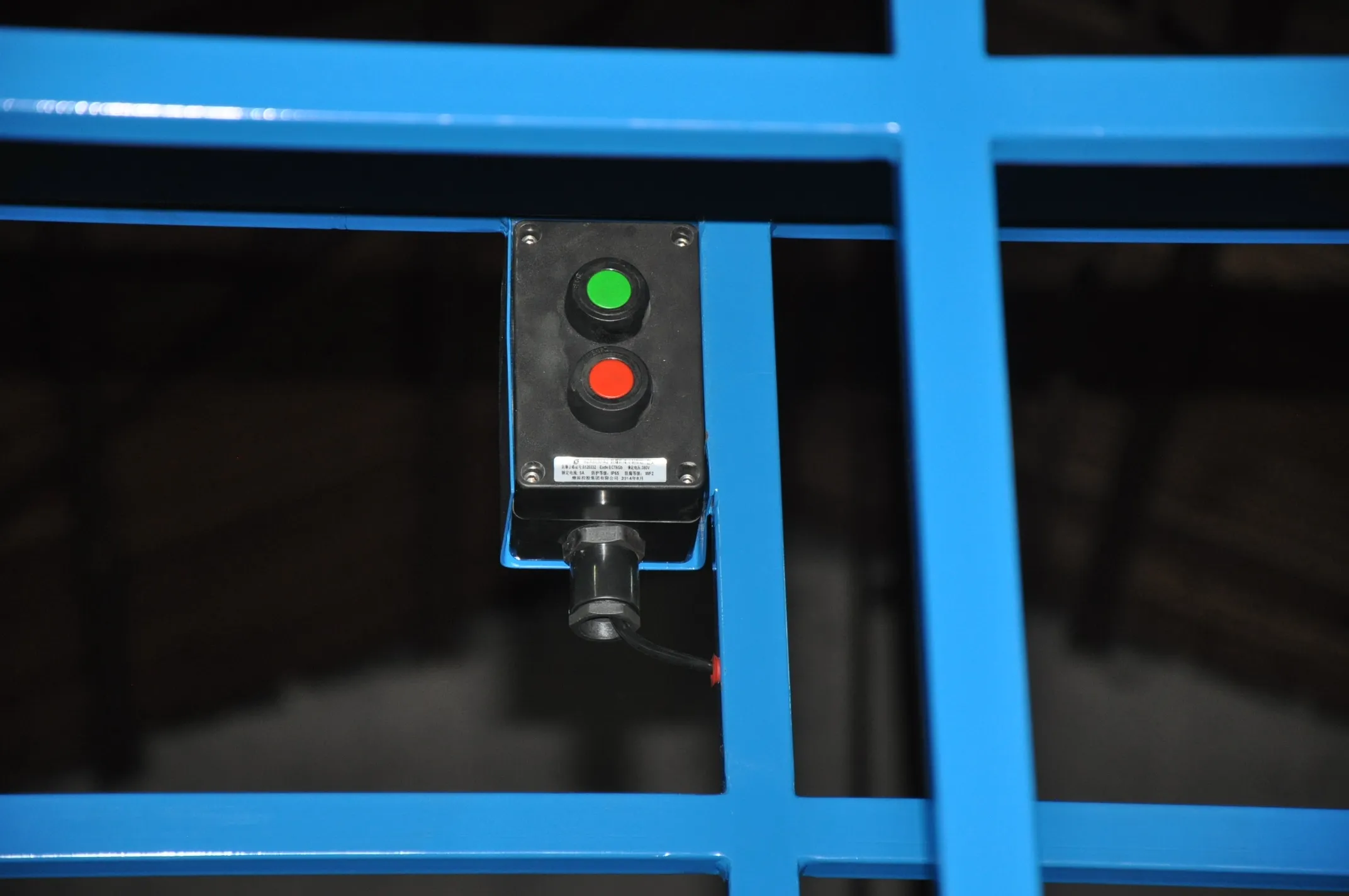
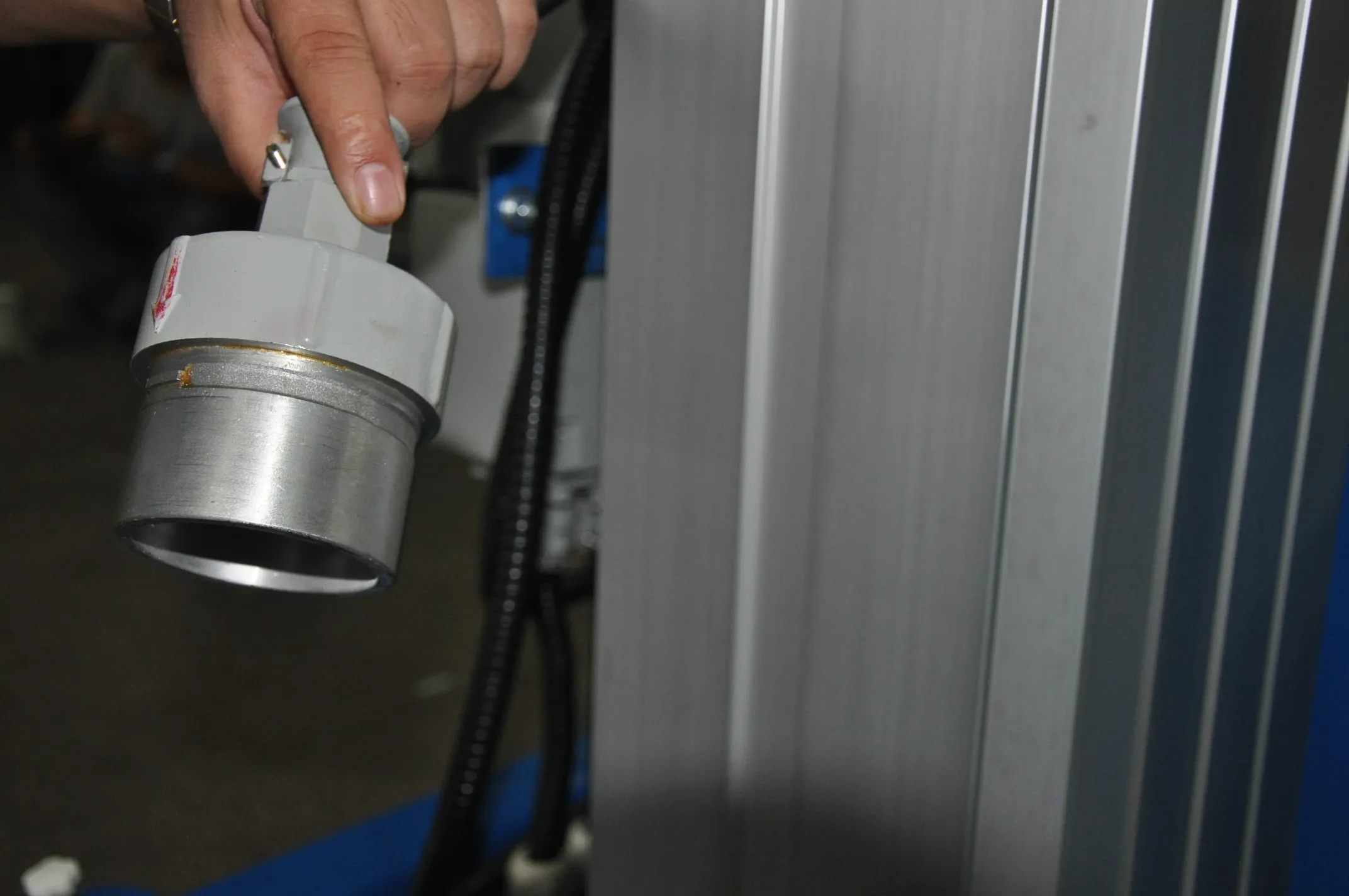
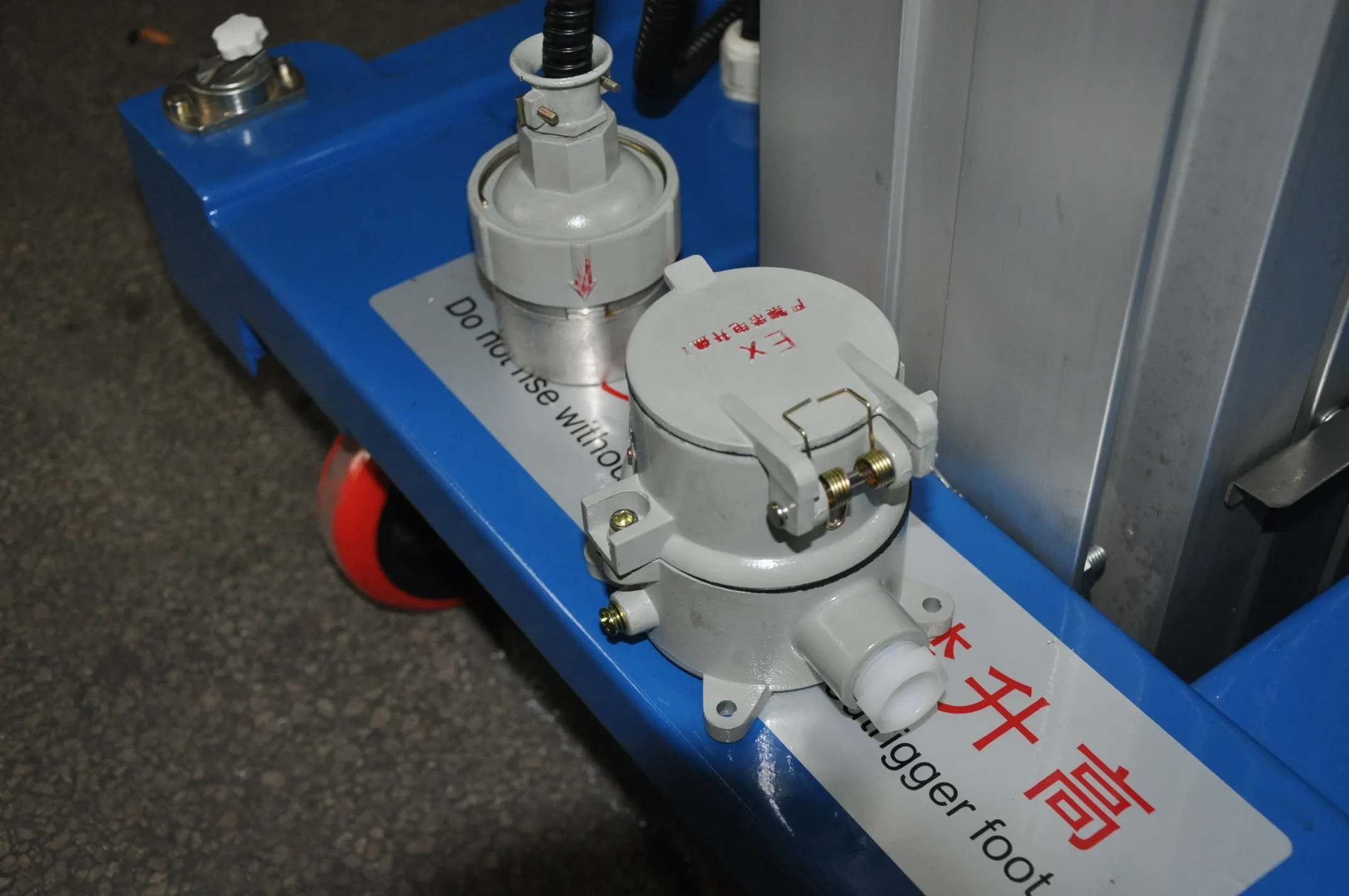
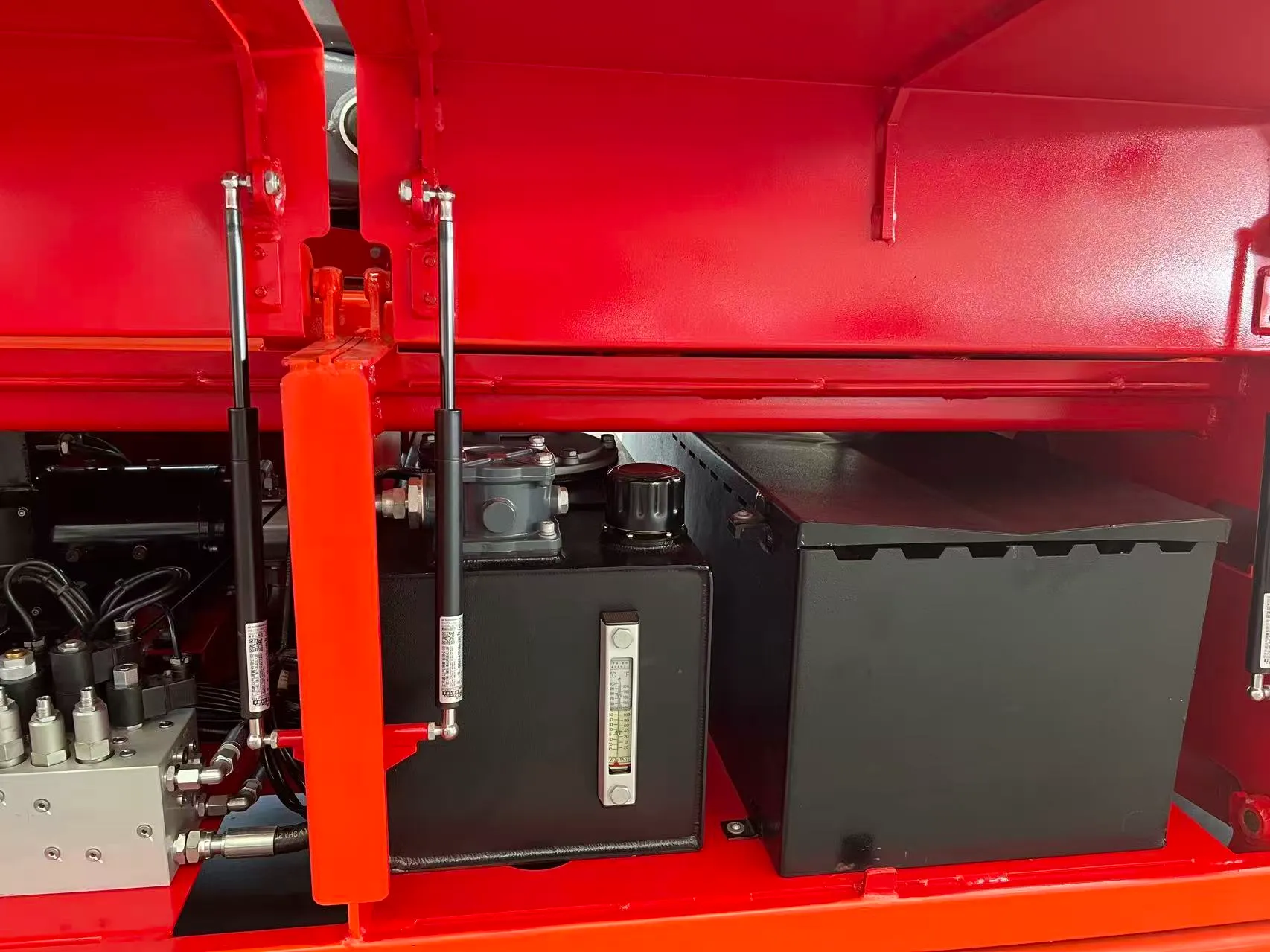
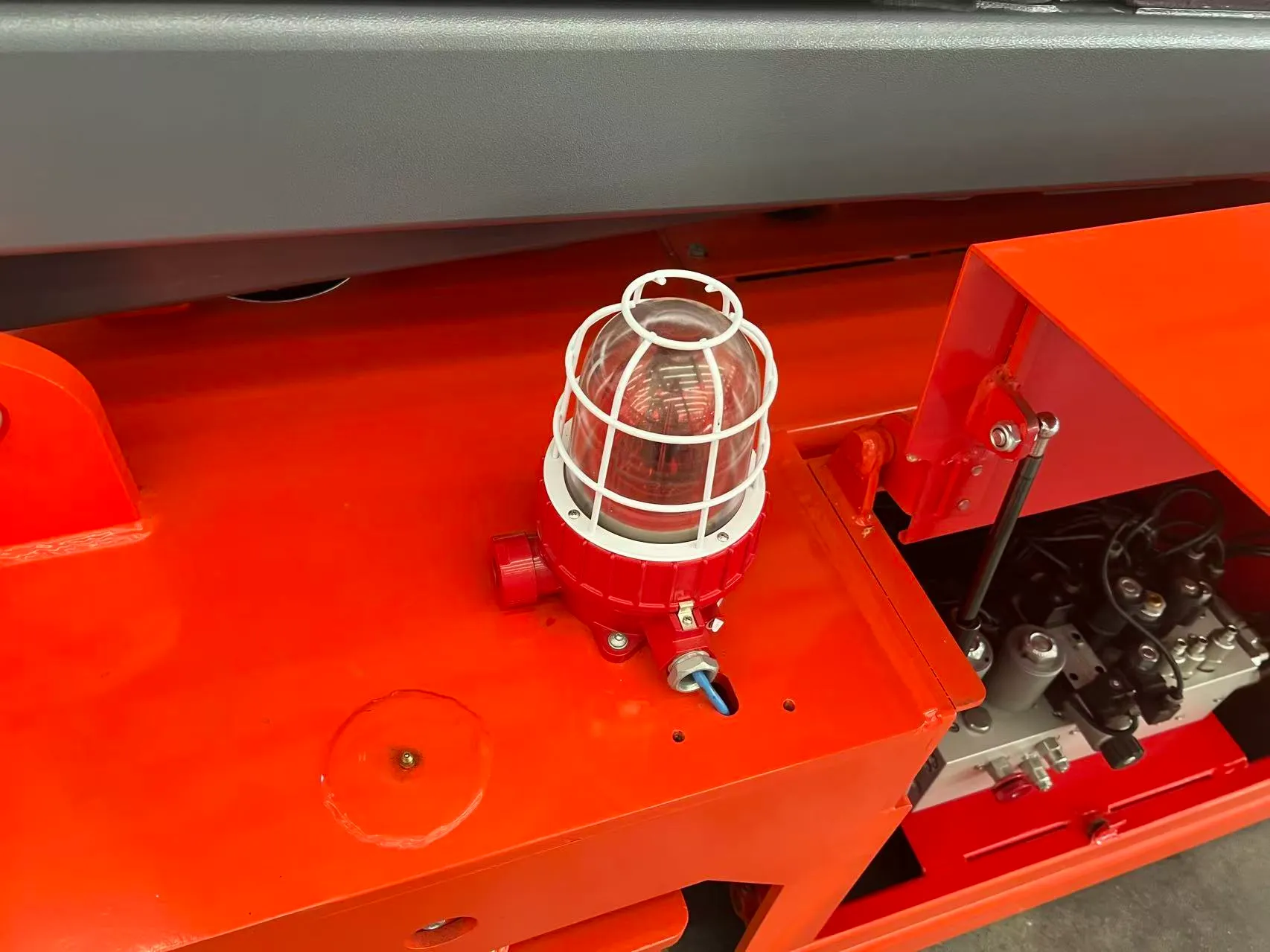
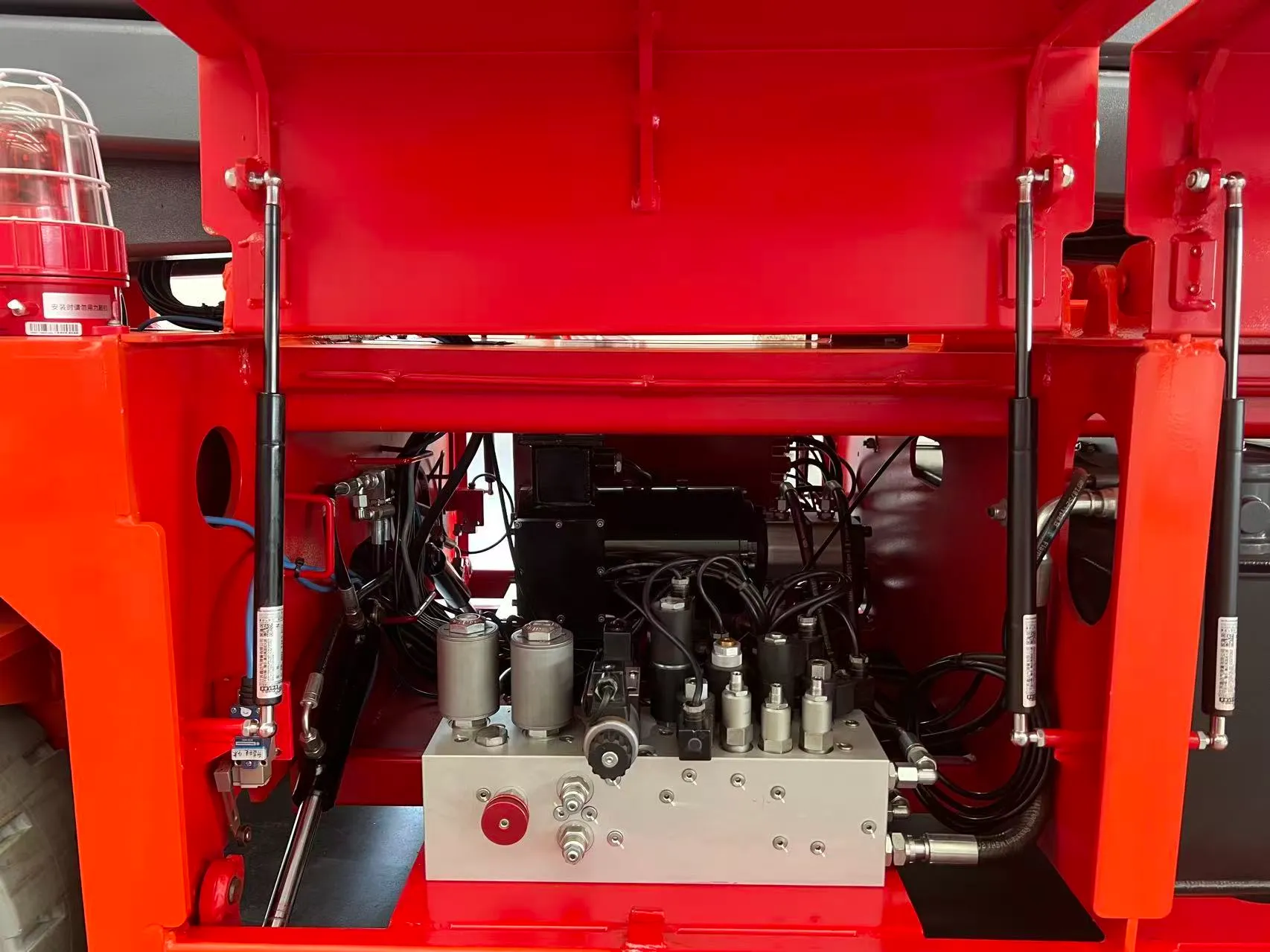
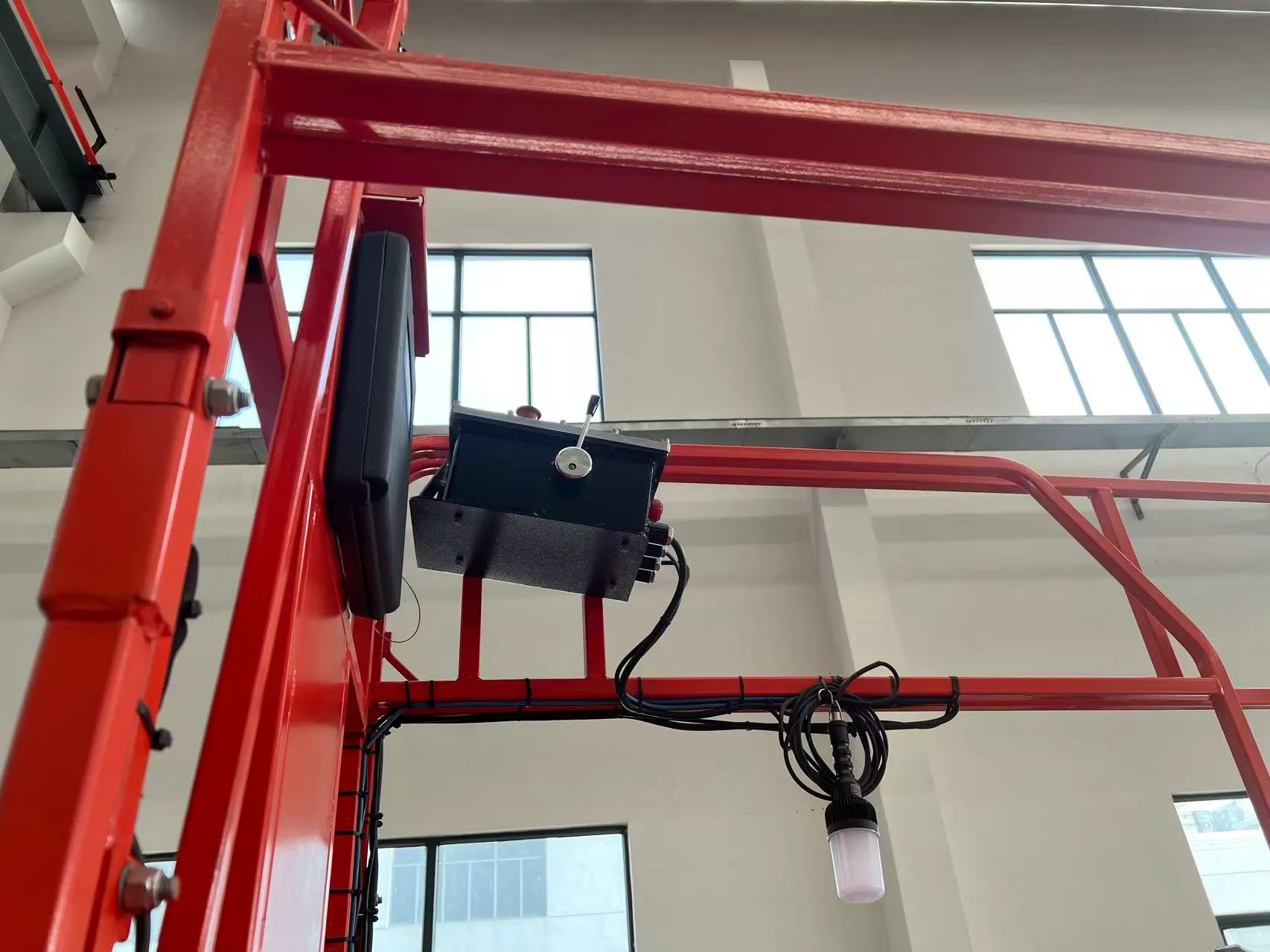
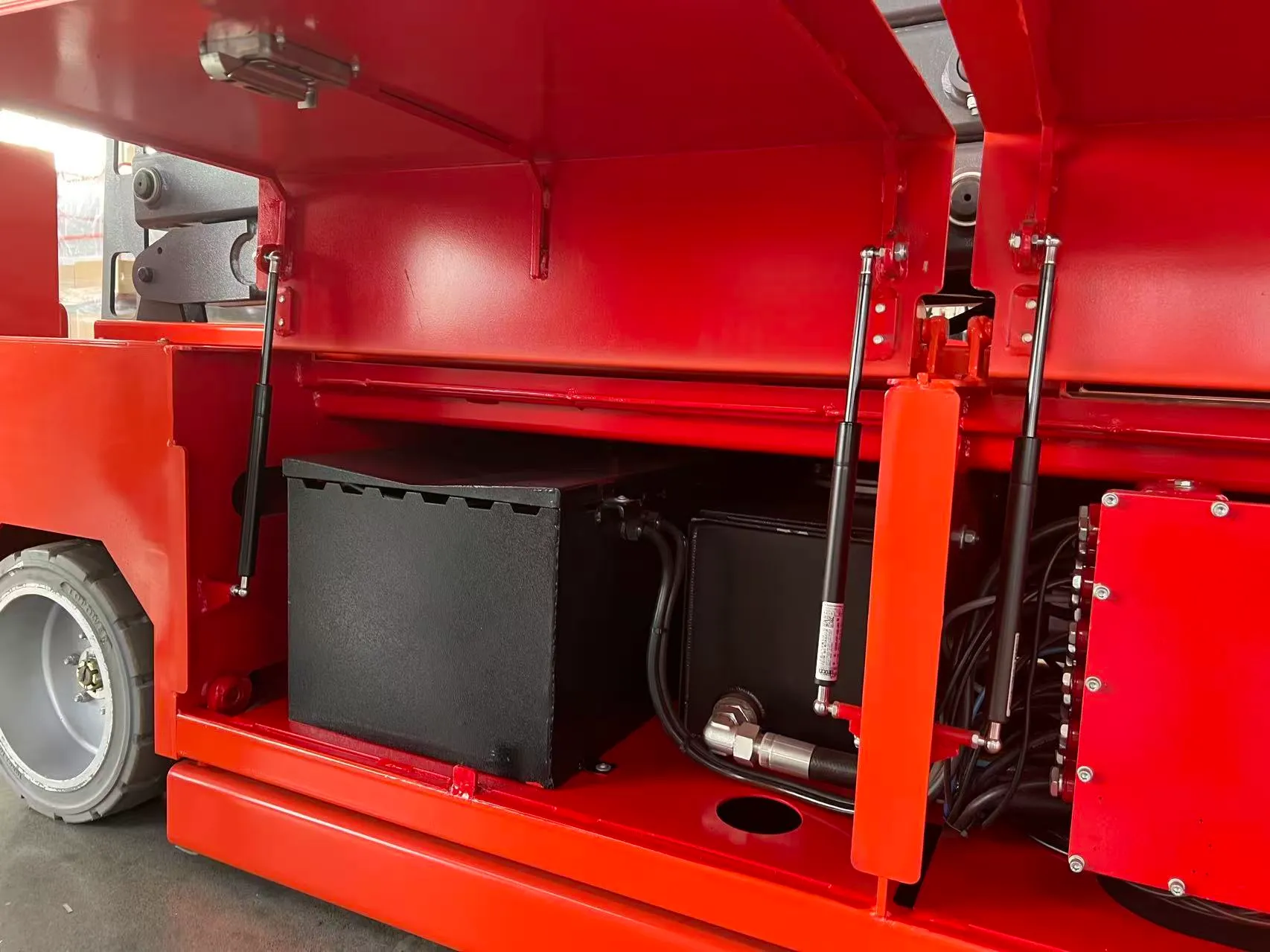
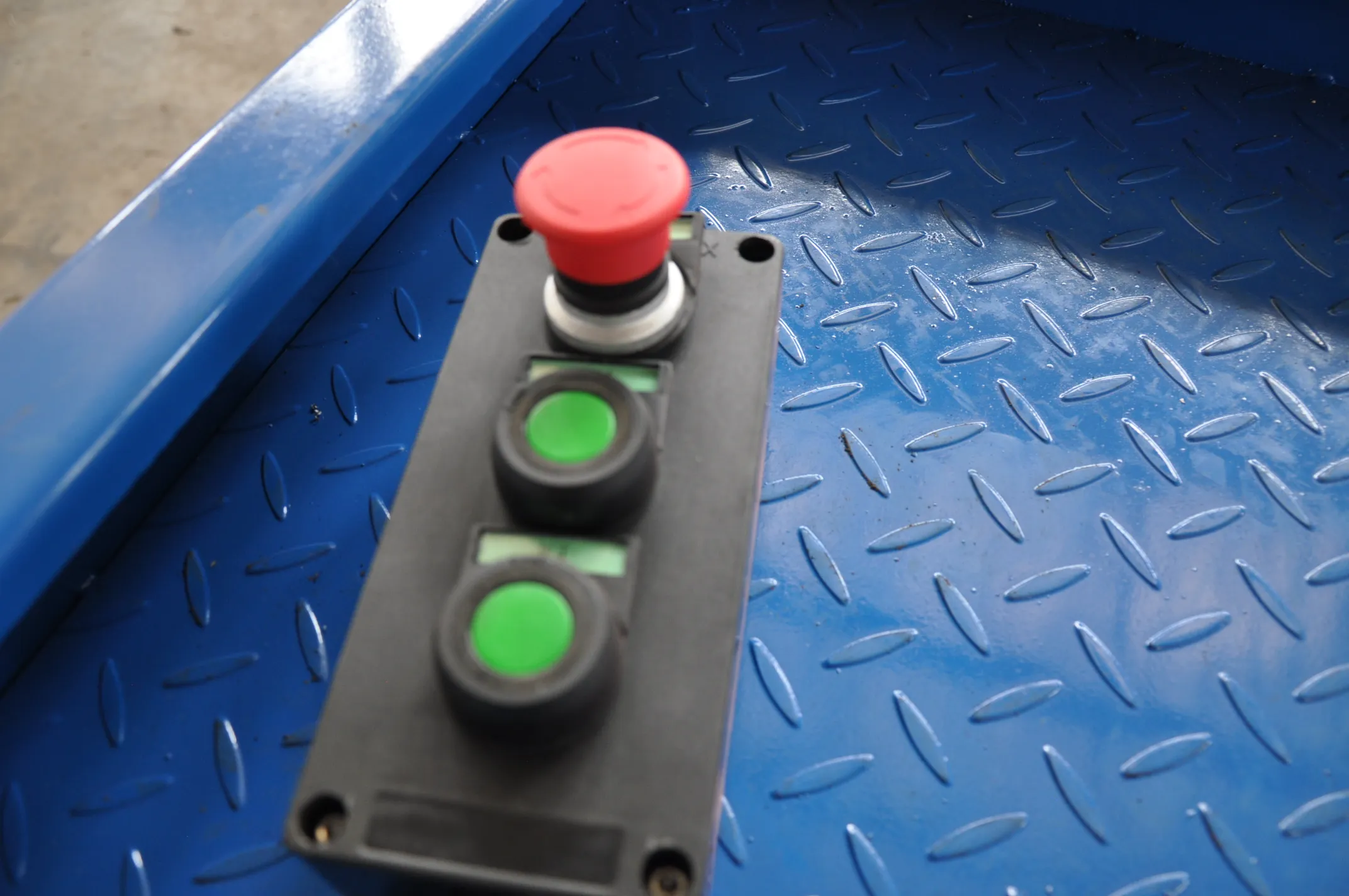
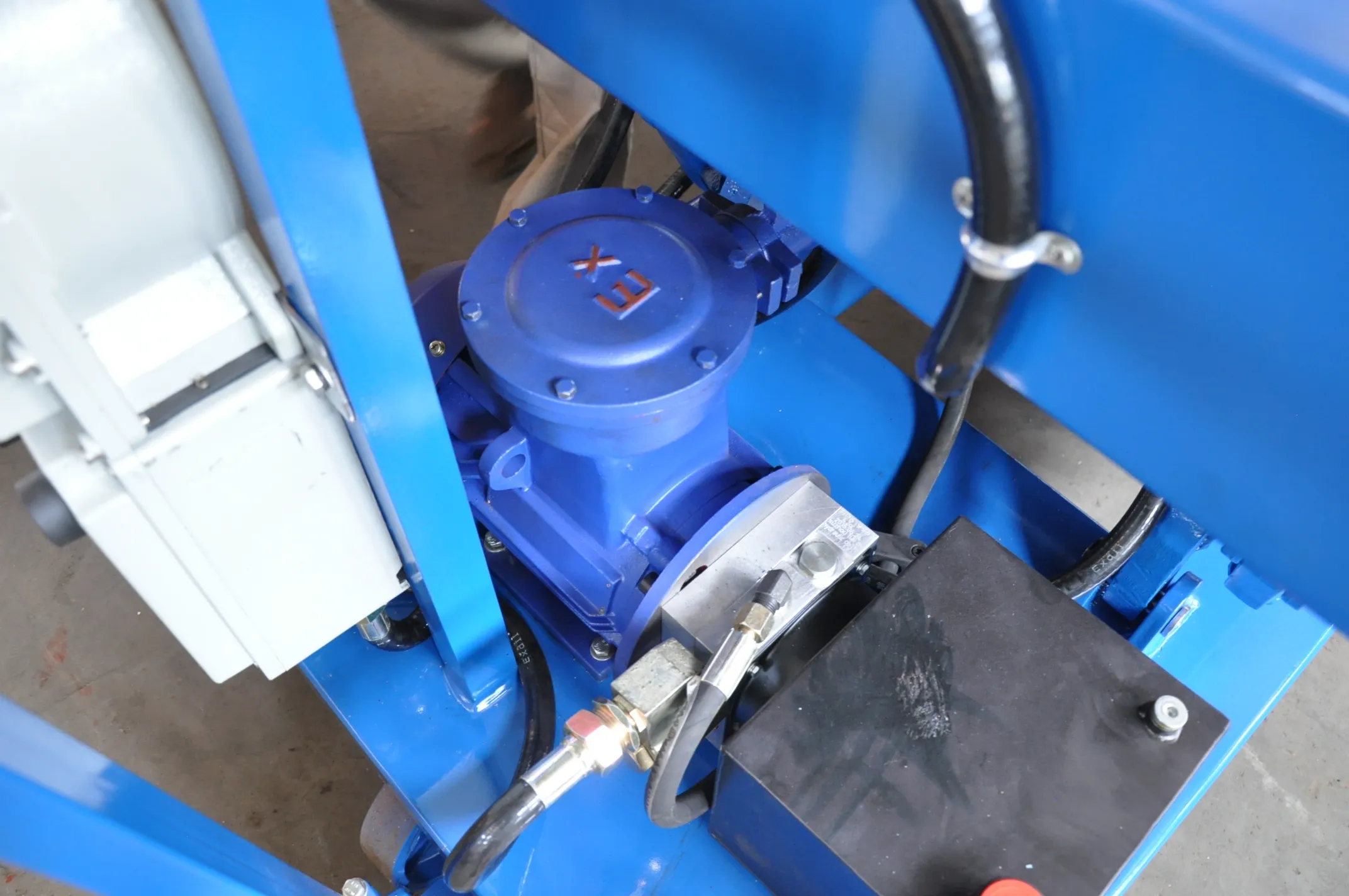
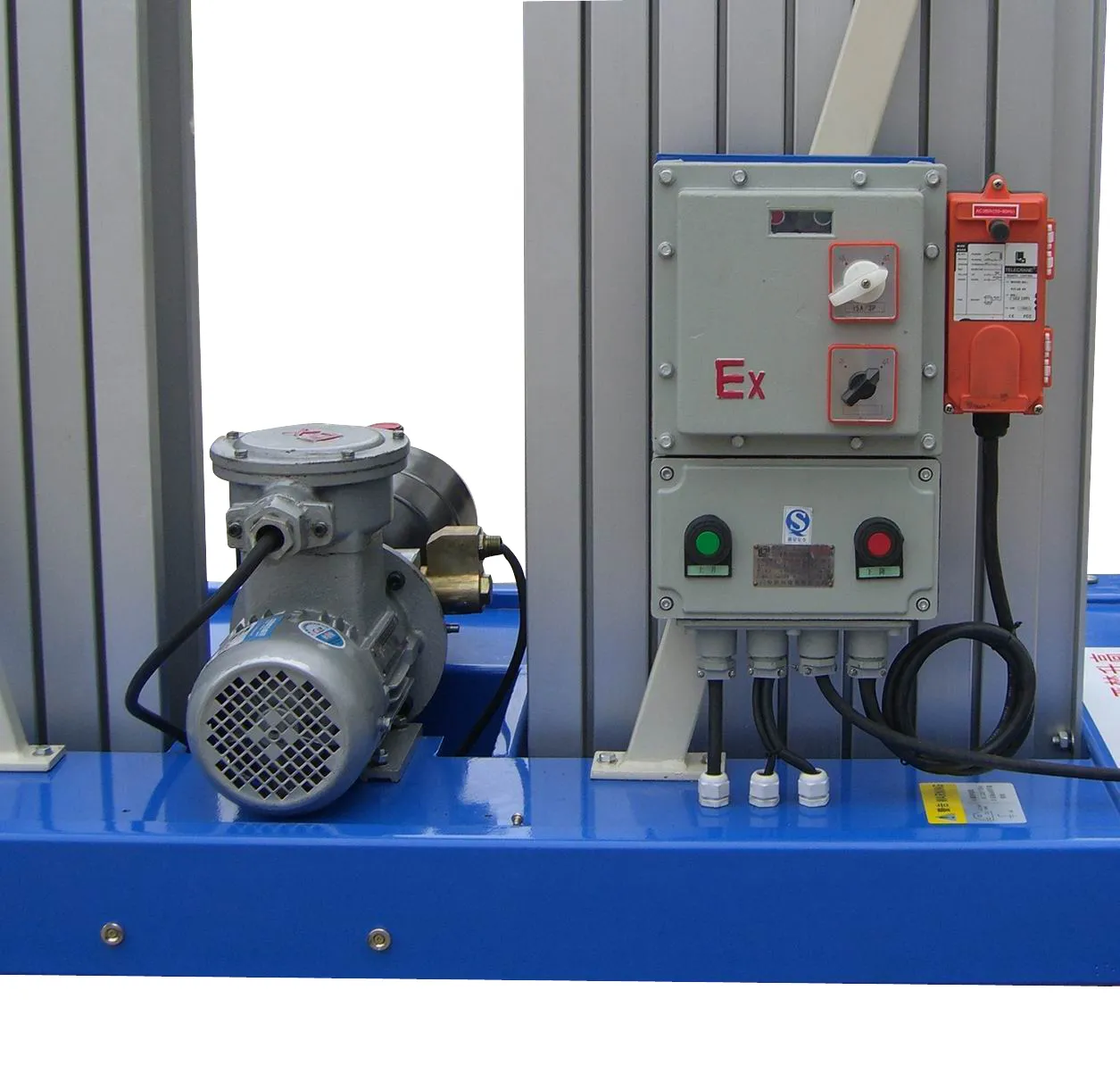
Component scope: flame-proof limit switches, outlets and buttons; flame-proof hydraulic power pack and solenoid valve; flame-proof ground control box; and double-compression stainless-steel glands on every entry to the platform, ground control box, motor and limit switches.
It is not: a claim that every unit off the line carries an Ex marking. Base machines are CE certified under the Machinery Directive; destination-market Ex regulations (ATEX, IECEx or local equivalents) and the documentation package are confirmed per project before order confirmation.
The base machine decides
Hazardous-area work
starts with the drive.
An explosion-protected configuration is only as good as the machine underneath it. All three Chenlift routes into hazardous-adjacent work are electric-driven: electric drive removes the combustion-engine ignition sources, and the flame-proof build addresses the identified electrical ignition risks of the protected components listed on this page. Non-electrical ignition risks are assessed separately for each project.
No diesel.
No exhaust path.
The flame-proof routes are electric-driven with no engine block, no hot exhaust gases and no refuelling logistics inside restricted boundaries. Standard machines run battery (MX) or AC/DC (ME); flame-proof builds run on AC 380V mains.
AC 380V
mains supply.
Flame-proof builds are engineered around an AC 380V mains supply. The on-board power layout (traction battery or mains-only) follows the model and production batch — confirm the exact configuration and the charging arrangements for your site at quotation.
Clean air inside
the work zone.
Battery and electric lifting mean no exhaust accumulation in enclosed halls — relevant for paint shops, tank farms and food or pharma areas with air-quality controls.
The factory grade, decoded
Ex d IIB T3 —
four marks that matter.
This is the explosion-protection grade documented for the Chenlift flame-proof build in the factory technical sheet. Each part of the marking tells your EHS team what the stated configuration covers; certificate numbers, issuing bodies and applicable standards are provided with the project documentation.
| Temperature class (IEC) | T1 | T2 | T3 | T4 | T5 | T6 |
| Max surface temperature | 450 °C | 300 °C | 200 °C | 135 °C | 100 °C | 85 °C |
Chenlift flame-proof builds are documented as T3 — the stated limit is 200 °C surface temperature. The full equipment marking — including the equipment protection level (EPL, e.g. Gb) and the permitted zone (Zone 1 or Zone 2) — is not fixed on this page: it follows the certificate and shipment documents for your configuration (the current IEC 60079-1 notation is Ex db). If your process requires T4 or stricter, or a specific EPL or zone, raise it at quotation so the project can be assessed honestly.
Electronics
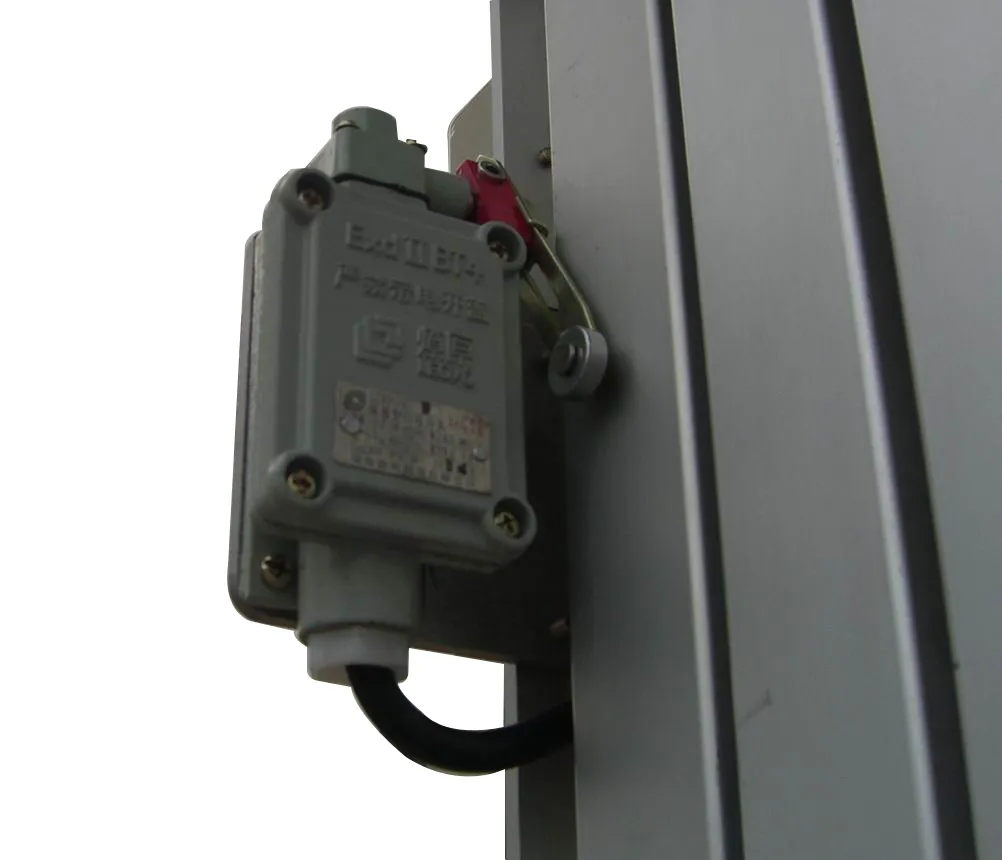
Limit switches, outlets and buttons are supplied in flame-proof type — the frequently activated touchpoints of any platform are protected first.
Hydraulic power
The hydraulic power pack and solenoid valve are supplied in flame-proof type on Ex builds.
Ground control box
The ground control box is flame-proof enclosed — commands from ground level stay inside a protected housing.
Cable glands
Double-compression stainless-steel glands on all entries to the platform and ground control box, the motor and the limit switches.
Route 01 / Self-propelled scissor
MX Series.
Drive to the work.
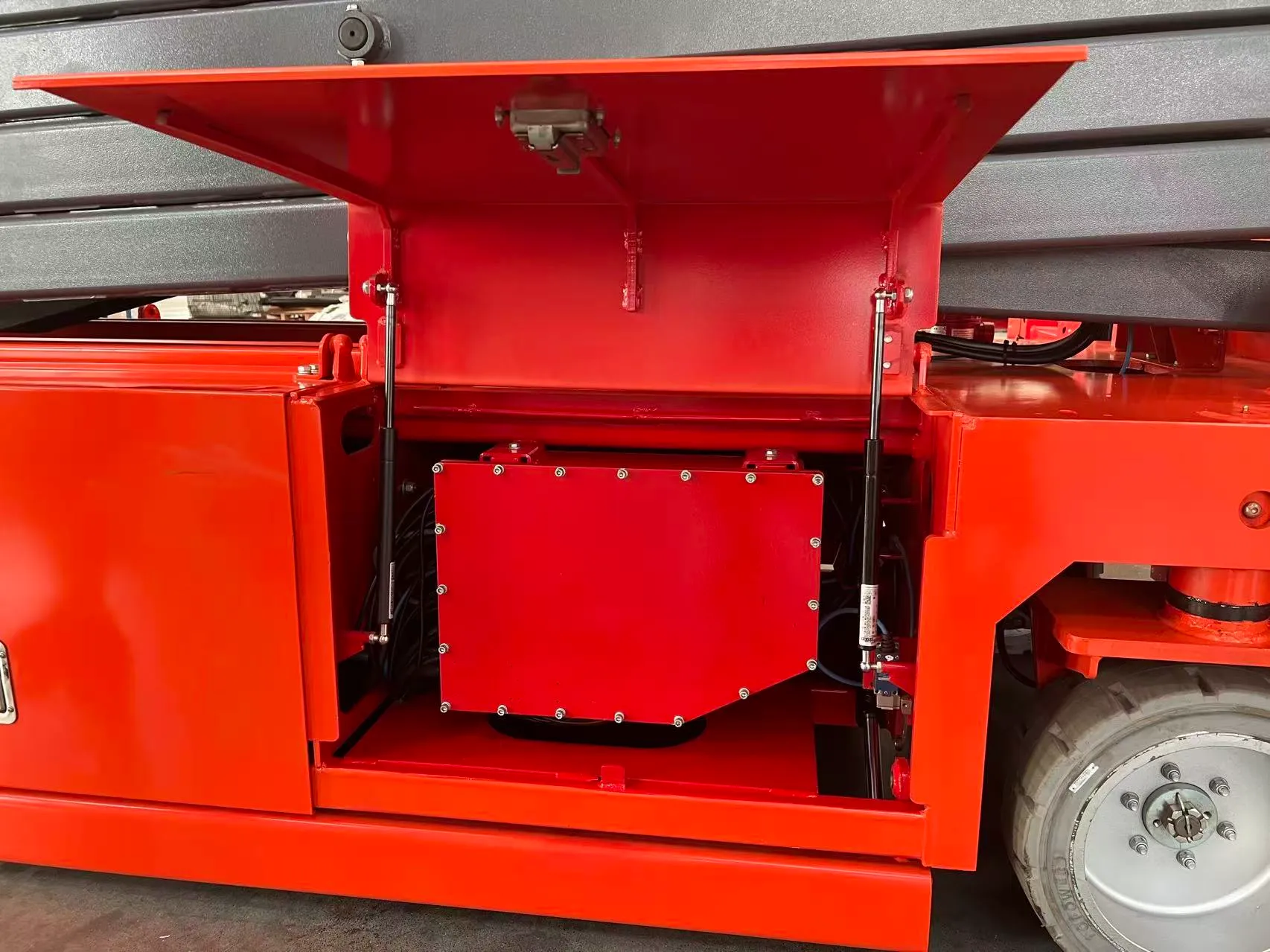
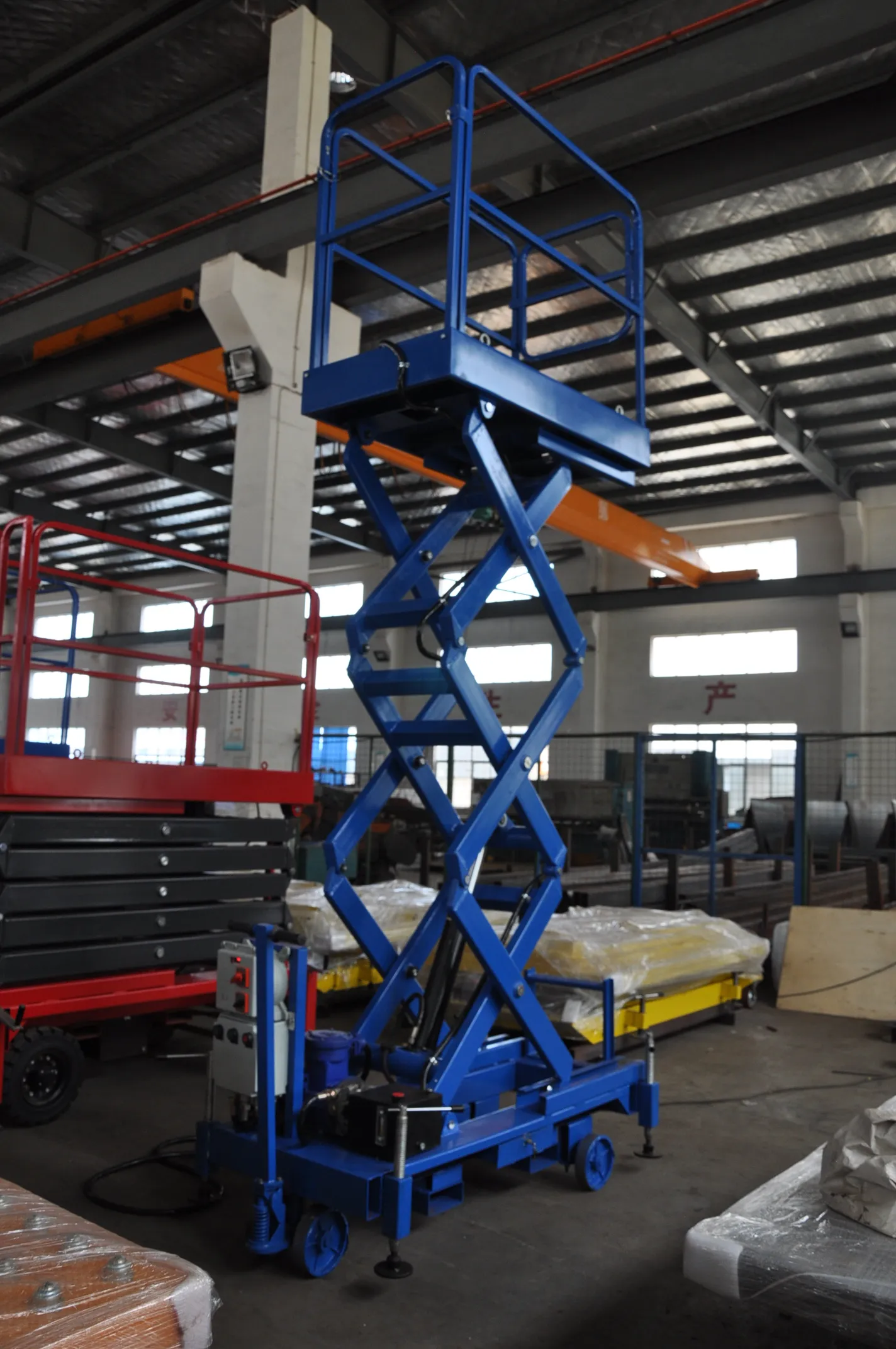
The MX self-propelled scissor lift is our most-built explosion-proof scissor lift route: 7.8 m to 17.8 m working height, drivable at full height with proportional control on standard builds. The flame-proof option set is confirmed per model and production batch at quotation. For maintenance crews that move between zones inside large facilities.

Official product photo — standard model; the Ex build is configured per project.
| Model | Working height max | Platform height max | Platform capacity | Overall width |
| MX580S | 7.80 m | 5.80 m | 230 kg | 0.76 m |
| MX600SN | 7.80 m | 5.80 m | 230 kg | 0.81 m |
| MX800SN | 9.80 m | 7.80 m | 230 kg | 0.81 m |
| MX800S | 9.80 m | 7.80 m | 320 kg | 1.18 m |
| MX1000S | 11.80 m | 9.80 m | 320 kg | 1.18 m |
| MX1200S | 13.80 m | 11.80 m | 320 kg | 1.18 m |
| MX1400S | 15.80 m | 13.80 m | 227 kg | 1.31 m |
| MX1600S | 17.80 m | 15.80 m | 227 kg | 1.53 m |
All MX models: 0 m inside turning radius · 25% gradeability · emergency stop at platform and ground · automatic pothole protection · fault diagnosis system. Standard machines run 24V traction (4×6V 200–260Ah batteries). Flame-proof builds are engineered around an AC 380V mains supply, and the traction-power layout follows the specific model and production batch — confirm the drive and power arrangement for your configuration at quotation, including cable management if the machine is to travel under power. Ex build availability is confirmed per model.
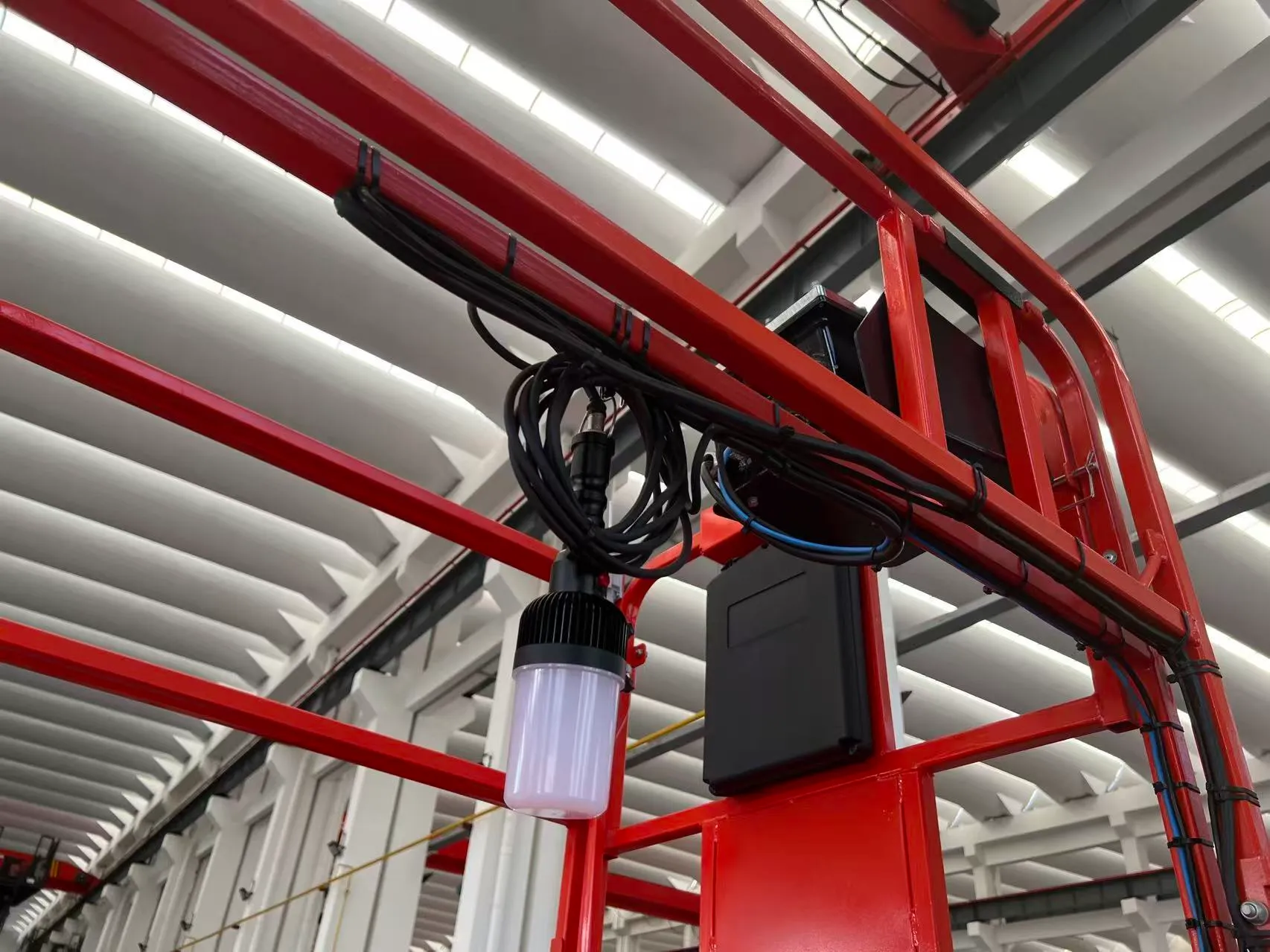
MX flame-proof build — factory component photos
Route 02 / Manual-push scissor
MK Series.
Park it at the work point.
Manual-push scissor lifts positioned by hand and powered from the flame-proof AC 380V circuit. Factory flame-proof builds have been delivered from compact 3 m-class units to 12 m-class machines — the workhorse format for fixed work points inside paint shops and process halls.
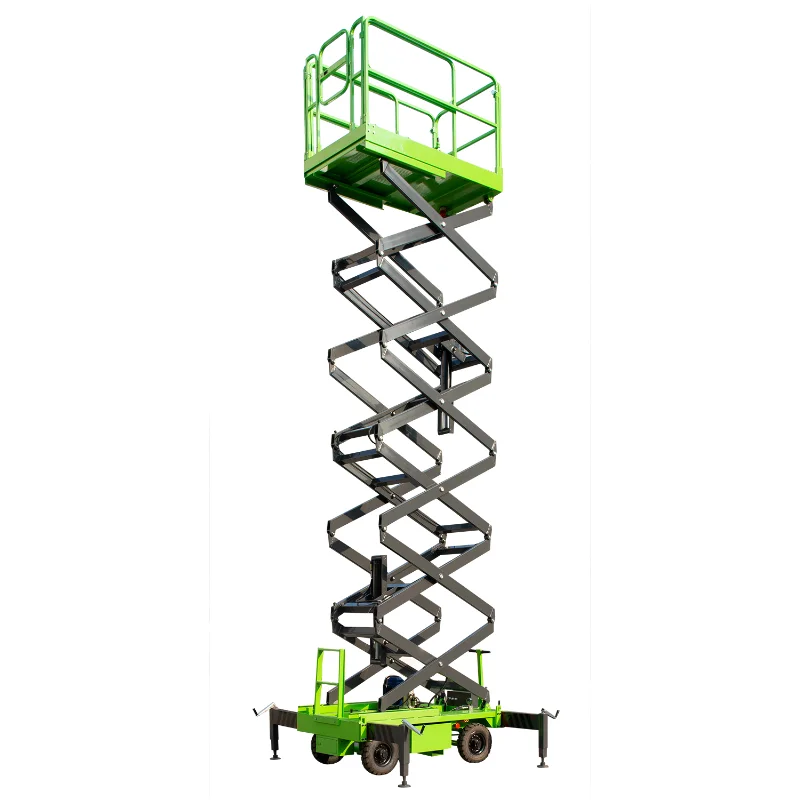
Official product photo — standard model; the Ex build is configured per project.
| Flame-proof build class | Machine size class | Typical use |
| Compact custom build | 3 m-class flame-proof scissor (custom, non-catalogue) | Booth interiors, tank-side close work, low ducting and piping |
| High-reach build | 12 m-class flame-proof scissor (custom) | Hall lighting, overhead piping, high-bay maintenance |
Build classes above reflect flame-proof machines delivered to date; the compact class is a custom build rather than a catalogue model. The full MK Series — 8 m to 18 m working height, up to 1,000 kg capacity — is covered on the MK data page; Ex build availability varies by model and production batch — confirmed per model at quotation.
MK flame-proof build — 3 m-class component photos
Route 03 / Multi-mast aluminum
ME Series.
Reach the height.
Aluminum multi-mast platforms from 12 m to 24 m working height in 3, 4 and 6-mast configurations. Beyond the flame explosion-proof system, the ME options list includes an isolation platform and outrigger sensors — electric-reach access for high-bay hazardous-adjacent facilities.

Official product photo — standard model; the Ex build is configured per project.
| Configuration | Models | Working height max | Platform capacity |
| 3-Mast | ME1000-3 / ME1200-3 / ME1400-3 | 12 – 16 m | 300 kg (250 kg at 16 m) |
| 4-Mast | ME1000-4 / ME1200-4 / ME1400-4 / ME1600-4 | 12 – 18 m | 300 kg (200 kg at 18 m) |
| 6-Mast | ME1600-6 / ME1800-6 / ME2000-6 / ME2200-6 | 18 – 24 m | 150 kg (100 kg at 24 m) |
All ME models: AC 1.5 kW lifting motor standard, optional DC 24V/120Ah on standard builds (flame-proof builds are engineered around an AC 380V mains supply) · 0.15 m ground clearance · auxiliary lowering device, emergency stop at platform and ground, safety belt lock and anti-dust mast covers as standard. Aluminum structure keeps machine weights from 900 kg (3-mast AC) — relevant for mezzanines and floor-load limits.
ME flame-proof build — aluminum-mast chassis photos
Selection logic
Three routes.
Decide by the work path.
As with every Chenlift selection guide: start with the work path, not the height. All three routes can carry the Ex d IIB T3 build — the difference is how the machine behaves between tasks.
MX Scissor Lift
On standard builds crews drive the machine between work points under battery power, sometimes elevated. On Ex builds the drive and power arrangement is confirmed per model and production batch at quotation.
- Self-propelled repositioning at full height (standard builds)
- Two-person-capable decks up to 320 kg (extension +113 kg)
- 0.76 m narrow chassis (MX580S) fits doorways and rack aisles
- 7.8 – 17.8 m working height range
- Best for: paint-shop corridors, chemical-plant maintenance rounds, large-hall lighting and HVAC
MK Manual-Push Scissor
The work point is fixed and the machine is positioned by hand, powered from the flame-proof mains supply.
- Manual positioning — no traction drive to power in the zone
- Delivered flame-proof builds from 3 m-class to 12 m-class machines
- Simplest electrical scope for an Ex review to assess
- Best for: paint booths, fixed process-hall work points, repetitive maintenance stations
ME Aluminum Mast
Work is vertical, high and from a fixed position — masts and outriggers set the footprint.
- 12 – 24 m working height, beyond the scissor range
- Lightweight aluminum structure (from 900 kg) for floor-load-sensitive mezzanines
- Optional isolation platform for electrical separation at height
- Positional work with outrigger-verified stability
- Best for: high-bay ducting, tank-farm gantries, tall silo exteriors, pharma cleanroom perimeters
Where the configuration works
Worksites that ask for it.
And one that needs its own review.
Three reference worksites in detail, then three more environments to discuss with our team. Zone classification, gas group and temperature class are always confirmed per project; dust zones are assessed separately.
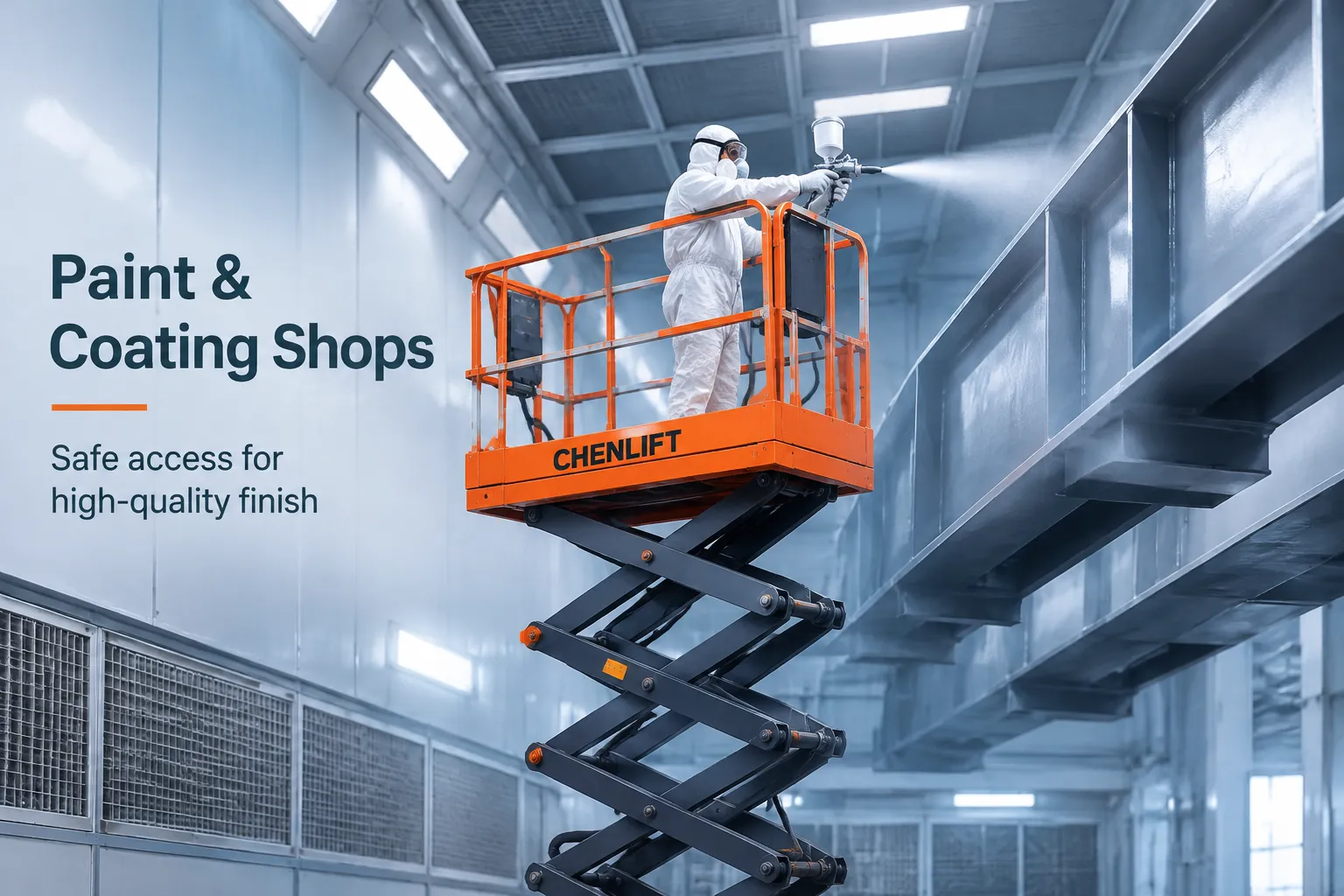
Paint & Coating Shops
The environment. Solvent vapours concentrate during spraying, flash-off and drying — the exact moments when overhead lighting, exhaust ducting and conveyor drives need maintenance. Every electrical machine entering the booth becomes an ignition-source review item: switch contacts, motor brushes, button closures.
How the build answers it. The Ex d flameproof enclosure contains ignition inside the components that spark — limit switches, buttons and outlets — while the hydraulic power pack and solenoid valves are protected at the source. Flame-proof builds are engineered around an AC 380V mains supply — confirm the power and charging arrangement for your booth at quotation.
Booth interior width decides the route: narrow booths and fixed work points take the MK manual-push build; longer spray halls with multiple work points take the MX self-propelled route.
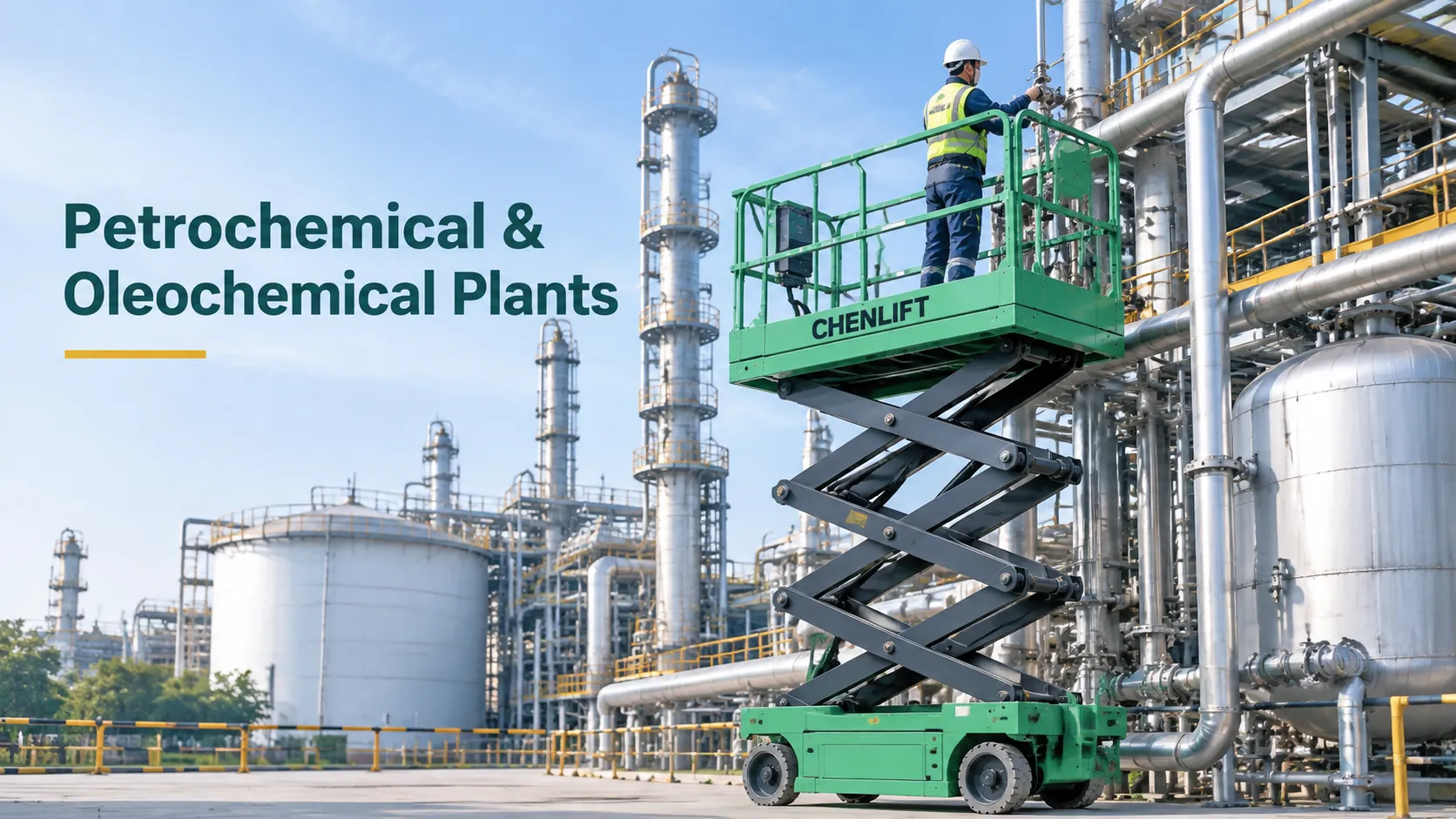
Petrochemical & Oleochemical Plants
The environment. Process units, pipe racks and loading bays carry hydrocarbon vapours — the gas group IIB marking covers this class of atmosphere. It does not cover IIC gases such as hydrogen or acetylene, which occur in some refining processes; confirm the gas group for each zone. Access work concentrates on pipe-rack gantries, pump-pad canopies and loading-arm structures, often high and vertical.
How the build answers it. A mixed fleet works here: ME masts reach 12–24 m for pipe-rack and gantry work, MK builds hold fixed work points at pump pads, and MX scissors run maintenance rounds between units. Electric drive removes the diesel variable entirely; no refuelling inside the unit boundary.
The zone boundary map decides everything: machines work only where the zone classification permits. Bring the map to the Ex review — it shortens the technical exchange by weeks.
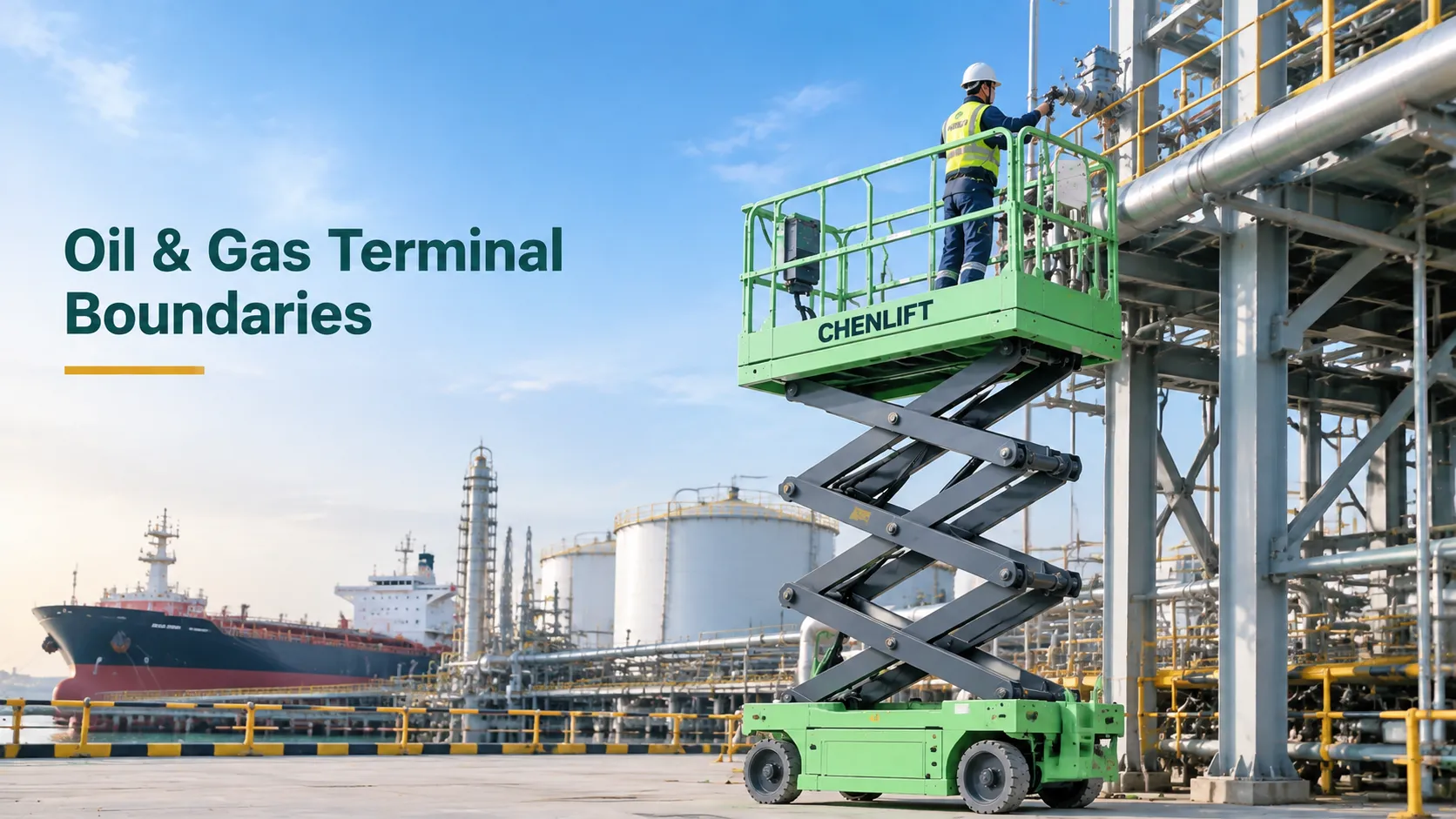
Oil & Gas Terminal Boundaries
The environment. Tank farms and loading jetties concentrate restricted zones in the core, while lighting, fencing, gantries and signage need maintenance at the perimeter — work that a conventional diesel machine cannot take close to the boundary line.
How the build answers it. The ME mast route reaches 18–24 m from positions outside the restricted core. Electric drive, flame-proof switchgear and outrigger-verified stability make the perimeter work plan defensible; the anti-wind limit (force 5) sets the outdoor working window.
Plan around three constraints: wind force 5 maximum for elevated outdoor work (with or without high wheels), outrigger footprint against jetty or yard surface loading, and the outdoor / wind rating of the specific ME model — confirmed per model at quotation. At 24 m the platform capacity is 100 kg, so verify the working load before specifying.
Pharmaceutical & Cleanroom Perimeters
HVAC decks, ceiling grids and utility corridors above production suites. Alcohol-based cleaning agents add a vapour variable; mezzanine floor-loading limits rule out heavy machines. The ME route carries the lightest structures (from 900 kg), with the optional isolation platform. Note: not cleanroom-certified machines — scoped for perimeter and service-deck work outside certified zones.
ME route · isolation platform · anti-dust mast covers standardGrain, Flour & Combustible-Dust Plants
Settled dust layers change the ignition math — surface temperature matters as much as sparks. The Ex d IIB T3 grade is a gas-explosion marking, not a dust-ignition certification: dust zones need their own protection concept (typically Ex t) and dust-group assessment. Until that assessment is complete, no Zone 21/22 suitability is claimed or implied.
MX route · dust zones assessed separately · gas marking ≠ dust certificationDistilleries & Breweries
Tank halls, bottling lines and barrel stores carry alcohol vapour at filling, spill and cleaning moments. The MX narrow chassis (0.76–0.81 m) passes standard doorways and works between tank rows. Alcohol vapours sit near the IIA/IIB boundary — confirm the site classification and accepted group for the Ex build at quotation.
MX route · narrow chassis 0.76 m · gas-group confirmation per siteCompliance, stated plainly
Certified base.
Documented per project.
CE — Machinery
Directive 2006/42/EC
MX, MK and ME platforms are CE marked under the EU Machinery Directive 2006/42/EC, with ISO 9001:2015 manufacturing; CE status is confirmed per model. The Machinery Directive CE marking covers the base machine — it is not an Ex (explosion-protection) conformity assessment.
Ex d IIB T3
flame-proof build
The factory flame-proof build is documented as Ex d IIB T3 — flameproof enclosure, gas group IIB, temperature class T3 — with flame-proof electronics, hydraulics, ground control box and stainless-steel glands. The complete equipment marking (including equipment protection level) and the permitted zone are confirmed against the project documentation before order confirmation.
ATEX / IECEx or local
Ex regulations
Conformity assessment is the manufacturer’s responsibility. For the EU, machines are supplied for Ex applications only after the applicable ATEX 2014/34/EU conformity assessment has been completed; IECEx or national schemes are handled per destination market. Note that Machinery Regulation (EU) 2023/1230 applies from 20 January 2027. We confirm the documentation package and lead time with your EHS team before order.
The Ex d IIB T3 grade is the factory-documented flame-proof build configuration, not a claim that every unit carries an Ex certificate. Chenlift does not claim blanket ATEX or IECEx certification across the standard product range. Certificate numbers, issuing bodies, the standards applied and the permitted zone are supplied with the project documentation for your market; conformity assessment for Ex applications remains the manufacturer’s responsibility. Ask our technical team for the documents available before specifying.
Questions before specification
Start with
the zone map.
Bring your zone classification, working height and load. We match the machine, the option set and the documentation to the site.
Are Chenlift lifts ATEX certified machines?
Base machines are CE marked under the Machinery Directive (per model). The flame-proof build is documented as Ex d IIB T3 — flameproof enclosure, gas group IIB, temperature class T3 — not a blanket ATEX category. Ex conformity assessment is the manufacturer’s responsibility: for the EU, Ex machines are supplied only after the applicable ATEX 2014/34/EU assessment is complete. Certificate numbers, issuing bodies and permitted zones are supplied with the project documentation.
What exactly does the flame-proof build cover?
The flame-proof build covers: flame-proof limit switches, outlets and buttons; flame-proof hydraulic power pack and solenoid valve; flame-proof ground control box; and double-compression stainless-steel glands on all platform, ground-control-box, motor and limit-switch entries. The build is scoped against your project’s zone classification before order confirmation.
Why does an electric drive matter for hazardous areas?
Electric drive removes the combustion engine: no diesel exhaust, no hot exhaust surfaces, no refuelling inside restricted boundaries. Flame-proof builds are engineered around an AC 380V mains supply; the on-board power layout follows the model and production batch and is confirmed at quotation, together with any charging arrangements.
Self-propelled, manual-push or mast — how do I choose for an Ex site?
Start with the work path. Repositioning under power between work points → MX self-propelled scissor (7.8–17.8 m). Fixed work point, hand-positioned → MK manual-push scissor (flame-proof builds delivered from 3 m-class to 12 m-class machines). Vertical, high work → ME mast route (12–24 m) with a lighter aluminum structure.
What power source and site limits apply to flame-proof units?
Flame-proof builds are engineered around an AC 380V mains supply; the on-board power layout follows the model and production batch and is confirmed at quotation. Outdoor anti-wind capacity is limited to wind force 5, with or without the high-wheel option. These limits are stated so your site team can plan positioning, power supply and weather windows honestly.
What information do you need from my EHS team?
Zone classification at the work locations (Zone 1 / 2 or local equivalent; dust zones are assessed separately), expected gas group, temperature class requirement, working height, floor loading limits and the destination market. With that, Chenlift proposes the model, option set and documentation path.
Before you write to us
What to prepare
for an Ex review.
Ex-configuration enquiries move faster with four items on the table. The more complete the picture, the fewer rounds between first contact and a scoped quotation.
Zone map
Zone 1 / 2 or your local equivalent at each work location — the zone boundary decides what may enter. Dust zones (Zone 21 / 22) are handled under a separate protection concept and are not covered by this configuration.
Gas or dust group
Expected gas group (IIA / IIB / IIC) or dust group, and the required temperature class (T1–T6). For dust zones, the dust assessment runs as its own item.
Height, load & access
Working height, platform load, minimum access width, floor-loading limits — and whether crews reposition under power or work from fixed points.
Country & documents
Destination country, the applicable Ex scheme (ATEX, IECEx or local equivalent) and the documentation package your EHS or inspection body requires.
Prepare for the Ex review